Waterfront living, distinctive neighborhoods, culture, entertainment, and everyday Florida life: discover the many sides of Tampa.
One of the first things buyers discover about Tampa is how different one part of the city can feel from another.
You can live close to Downtown and the waterfront, explore historic neighborhoods with character, choose an established residential area with mature landscaping, or move farther north toward newer communities and suburban conveniences.
That’s why I don’t think choosing a home in Tampa should begin with a list of ZIP codes. It should begin with how you want to live.
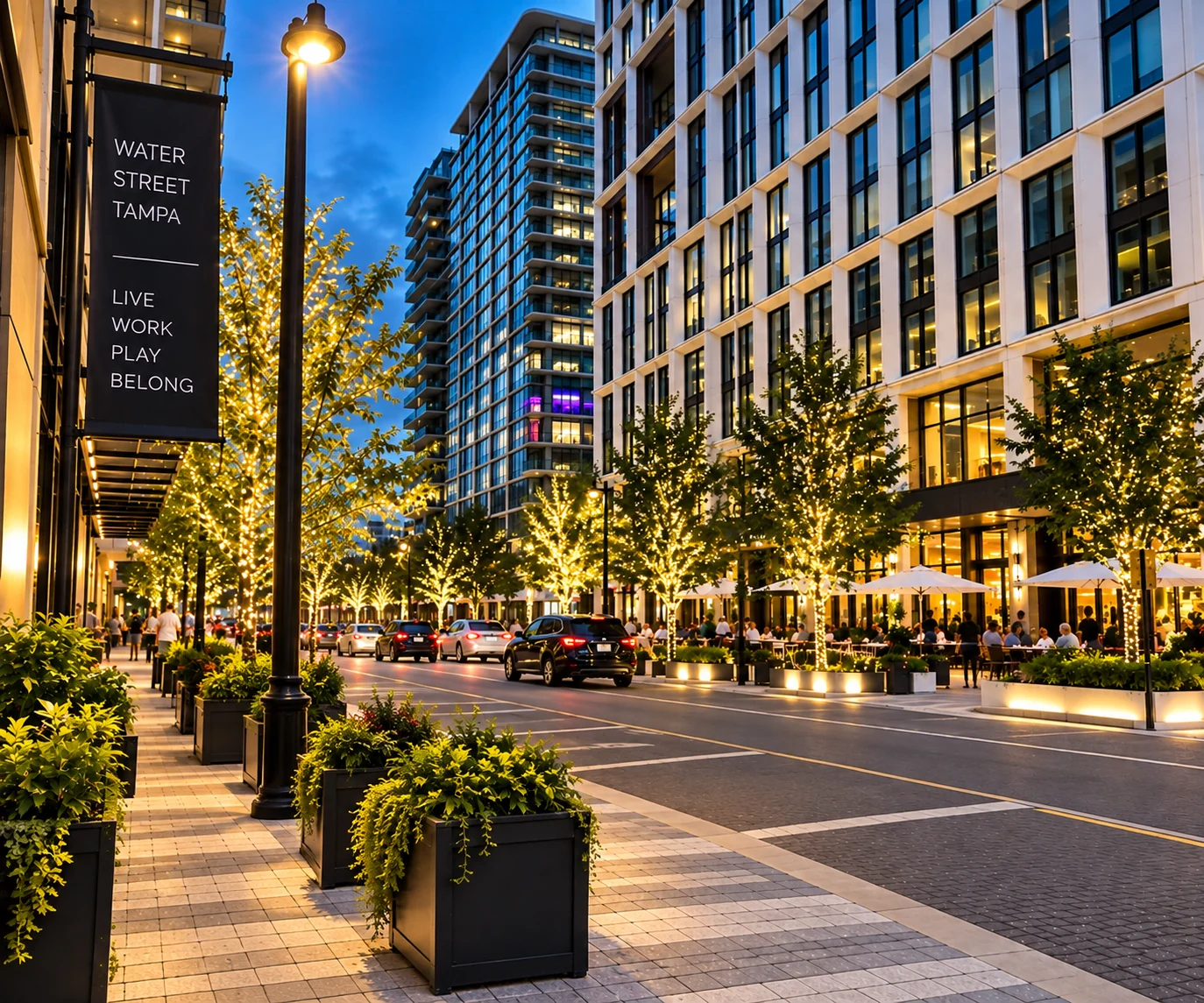
Downtown & Water Street — Urban living near the waterfront, Tampa Riverwalk, restaurants, entertainment, events, and condominium options.
Tampa Heights — Historic character mixed with redevelopment, local restaurants, and convenient access to Downtown and the Riverwalk.
South Tampa — Established neighborhoods, restaurants, shopping, waterfront access, and a wide variety of housing styles.
West Tampa — Deep local history and character, with established residential areas close to Downtown Tampa.
Carrollwood — An established residential area with mature neighborhoods, lakes, shopping, restaurants, and everyday conveniences.
New Tampa — A more suburban side of Tampa with residential communities, newer development, parks, shopping, and access toward northern Hillsborough County.
Westchase — A master-planned community known for established neighborhoods, community amenities, parks, trails, shopping, dining, and convenient access to different parts of Tampa Bay.
Odessa — A more spacious residential setting northwest of Tampa, where buyers can find everything from established neighborhoods and newer communities to larger properties, lakes, and homes with more land.
These are only a few examples. Tampa and the surrounding area include many additional neighborhoods and communities, and the experience can change significantly from one location to another.
Water is part of Tampa’s identity, but Tampa waterfront living is different from living directly on a Gulf beach.
The Tampa Riverwalk connects parks, museums, restaurants, entertainment, and waterfront destinations through the urban core. Bayshore Boulevard, waterfront parks, and other areas around the city offer additional ways to enjoy Tampa Bay’s outdoor lifestyle.
If Gulf beaches are an important part of your move, Clearwater Beach, St. Pete Beach, and many of the beaches people associate with the Tampa Bay lifestyle are located across the bay in Pinellas County.
That distinction matters when you’re deciding where you actually want to live.
Living in Tampa means having many different ways to spend your time without leaving the city.
The Tampa Riverwalk connects waterfront parks, museums, restaurants, entertainment, and gathering spaces through the urban core. Areas such as Armature Works, Sparkman Wharf, Water Street, Hyde Park Village, and Ybor City each offer a different experience for dining, shopping, events, and local culture.
Tampa also offers professional sports, outdoor recreation, boating, parks, cultural attractions, and family destinations such as The Florida Aquarium, ZooTampa, and Busch Gardens.
The lifestyle you experience, however, depends heavily on where you live. That’s one reason choosing the right neighborhood matters just as much as choosing the right house.
Tampa’s housing options are as varied as its neighborhoods.
Closer to Downtown and the waterfront, buyers may find condominiums, townhomes, historic properties, and urban residential options. Established areas throughout the city offer traditional single-family homes, mature neighborhoods, and a wide range of architectural styles.
Move toward areas such as New Tampa, Westchase, Odessa, and other surrounding communities, and the housing choices can shift toward gated neighborhoods, master-planned communities, newer homes, and new construction.
Instead of starting with “Where can I get the biggest house?”, I encourage buyers to consider where the home places them in relation to the lifestyle they actually want.
Commute & Location — Tampa traffic can make location especially important. Test the routes you would actually use for work, school, airport access, and everyday activities.
Schools — Tampa addresses may be served by Hillsborough County Public Schools, but assignments are property-specific. Always verify the exact address directly with the school district.
Flood & Insurance — Flood zones and insurance considerations can vary from one property to another, particularly around waterfront and low-lying areas. Review the individual property before making assumptions.
HOA & Condo Costs — Depending on the property, buyers may encounter HOA fees, condominium fees, community amenities, or other recurring costs. Compare the total monthly expense, not just the purchase price.
Home Age & Condition — Tampa includes homes from many different periods. Roof age, electrical and plumbing systems, maintenance history, and insurance eligibility can matter just as much as cosmetic updates.
Tampa gives you plenty of choices and that’s exactly why choosing the right area can feel overwhelming when you’re relocating.
I’ve called the Tampa Bay area home for more than 22 years, and I help buyers look beyond the listing photos. We’ll compare neighborhoods, housing options, commute, monthly costs, and the lifestyle you want before narrowing down where your search should begin.
You don’t need to know Tampa before you move here. That’s what I’m here to help you navigate.