



Selling Your Home in Tampa? Avoid These 5 Costly Mistakes
Thinking About Selling Your Tampa Home? Start Here
Selling a home is about much more than putting a sign in the yard and waiting for an offer. Pricing, preparation, timing, marketing, and negotiation can all affect how smoothly the process goes — and ultimately, how much you walk away with at closing.
In Tampa Bay, I often meet homeowners who have questions about where to start: Should I make repairs first? How do I know what my home is really worth? Should I price high so I have room to negotiate?
Those are important questions. Before you list, here are five common mistakes I want sellers to understand, and what you can do instead.
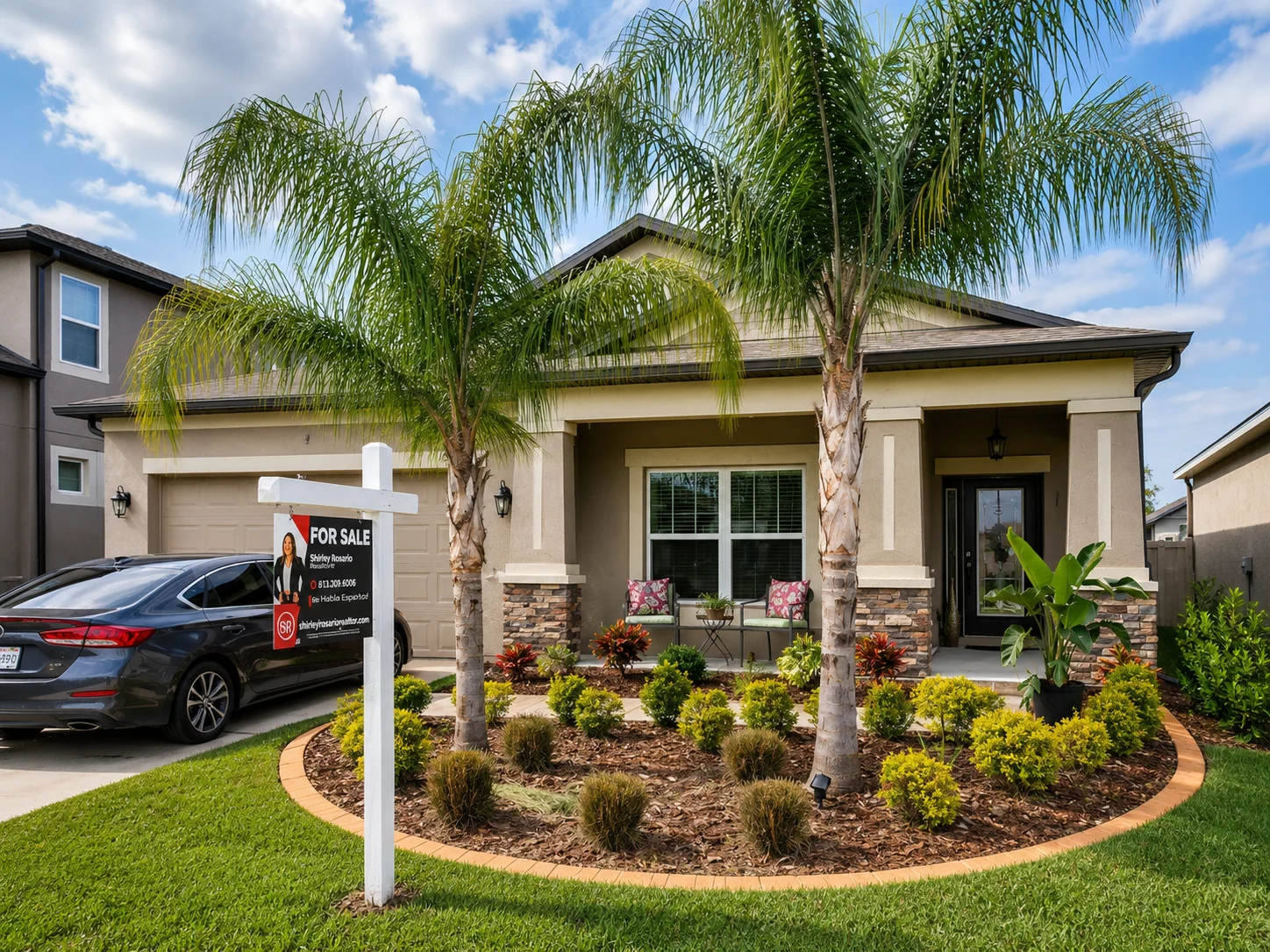
Mistake #1: Pricing Based on Emotion Instead of the Market
It’s completely understandable to have an emotional connection to your home. You may remember what you paid for it, the improvements you’ve made, and the years of memories you’ve created there. But buyers are comparing your home to other properties currently available and recently sold.
Pricing too high can cause a home to sit on the market longer, while pricing too low may leave money on the table. The goal isn’t simply to choose the highest possible list price — it’s to position the home correctly for the current market.
What I recommend: Before deciding on a price, look closely at recent comparable sales, current competition, your home’s condition and features, and what buyers are actually doing in your specific area of Tampa Bay. A good pricing strategy should be based on current data, not an online estimate or what a neighbor’s home sold for months ago.
Mistake #2: Preparing the Home After It’s Already Listed
First impressions matter, especially when buyers are scrolling through dozens of homes online before deciding which ones to visit. Small details such as clutter, dark rooms, unfinished repairs, or too many personal items can make it harder for buyers to picture themselves living in the home.
That doesn’t mean every seller needs an expensive renovation before listing. Sometimes fresh paint, minor repairs, better lighting, decluttering, and thoughtful staging can make a noticeable difference.
What I recommend: Before spending money on improvements, decide which updates are actually likely to help your home compete. I would rather help a seller prioritize a few meaningful changes than spend thousands of dollars on renovations that may not provide a good return.
Mistake #3: Using Photos That Don’t Make the Home Stand Out
Most buyers will see your home online before they ever see it in person. That means the photos are often your home’s first showing.
Dark rooms, awkward angles, clutter, or quick cell-phone photos can make a beautiful home easy to overlook. Good real estate photography should help buyers understand the space, layout, natural light, and features that make the property special.
What I recommend: Prepare the home before photos are taken and make sure the photography presents it accurately and professionally. The goal isn’t to make the home look unrealistic — it’s to make sure its best features aren’t missed when buyers are deciding which properties they want to tour.
Mistake #4: Focusing Only on the Highest Offer
When multiple offers come in, it can be tempting to look only at the highest price. But the strongest offer isn’t always the one with the biggest number.
Financing, contingencies, inspection terms, appraisal considerations, closing timeline, deposits, and requested seller concessions can all affect the strength of an offer and how likely it is to make it successfully to closing.
What I recommend: Compare the complete terms of each offer, not just the purchase price. My role is to help you understand the differences, discuss the potential advantages and risks, and negotiate based on what matters most to you as the seller.
Mistake #5: Waiting Too Long to Plan Your Next Move
Selling your current home is only one part of the plan. Before listing, it’s important to think about what comes next, especially if you’ll be buying another home, relocating, or coordinating two transactions at the same time.
Timing can affect everything from your closing date to temporary housing, financing, moving arrangements, and how much flexibility you may need when negotiating an offer.
What I recommend: Start planning your next step before the For Sale sign goes up. We can talk through your timeline, priorities, and possible scenarios so you understand your options before making decisions.
Thinking About Selling Your Tampa Bay Home?
Every home and every seller’s situation is different. If you’re considering selling, I’d be happy to talk with you about your property, your timeline, and what today’s market may mean for your plans. No pressure — just a conversation to help you understand your options.